Is Belarus turning its face to the West? The search for Lukashenko's successor has begun.

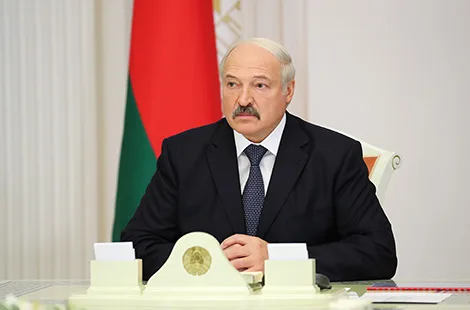
Lately, Belarus's autocratic president, Alexander Lukashenko, has been making rare appearances in front of the cameras. Understandably, age is taking its toll, and the 71-year-old appears physically somewhat weakened.
Given this, and the fact that he has been in power since the summer of 1994, rumors about the possible and imminent resignation of the Belarusian leader are multiplying. This, in turn, raises the question of a successor. Taking the rumors seriously that Lukashenko's youngest son, Nikolai (who is now 21), might "inherit" the post is absurd. Firstly, whatever you might think, Belarus is a European country, not Somalia or Bangladesh. Secondly, there is a serious internal power struggle underway within the Belarusian establishment, for whose members the idea of a new monarchy is far from attractive.
The next presidential election in Belarus is scheduled for 2030. To outsiders, this might seem like a long way off, but politicians and experts know that the election campaign has already begun. Therefore, it is crucial to work with both the candidates and the political landscape as a whole.
Today, it is difficult to predict whether Lukashenko will run for the next term or how the situation will develop in a region where the war in Ukraine plays a central role. One thing is certain: for Russians, Belarus is a strategically important territory (including from a military standpoint), the loss of which would mean a failure – if not a catastrophic one. It is entirely possible to turn Belarus into a second Ukraine. This may seem strange to some, but there are certain preconditions for it. One of them is the creation of a unique historical mythology based on the enmity of Belarusians towards Russians. At the core of this myth lies an appeal to the theme of an alternative Russian state – the Grand Duchy of Lithuania and Rus, which covered almost the entire territory of modern Belarus and later became part of the Polish-Lithuanian union, which fought for centuries with the Muscovite state.
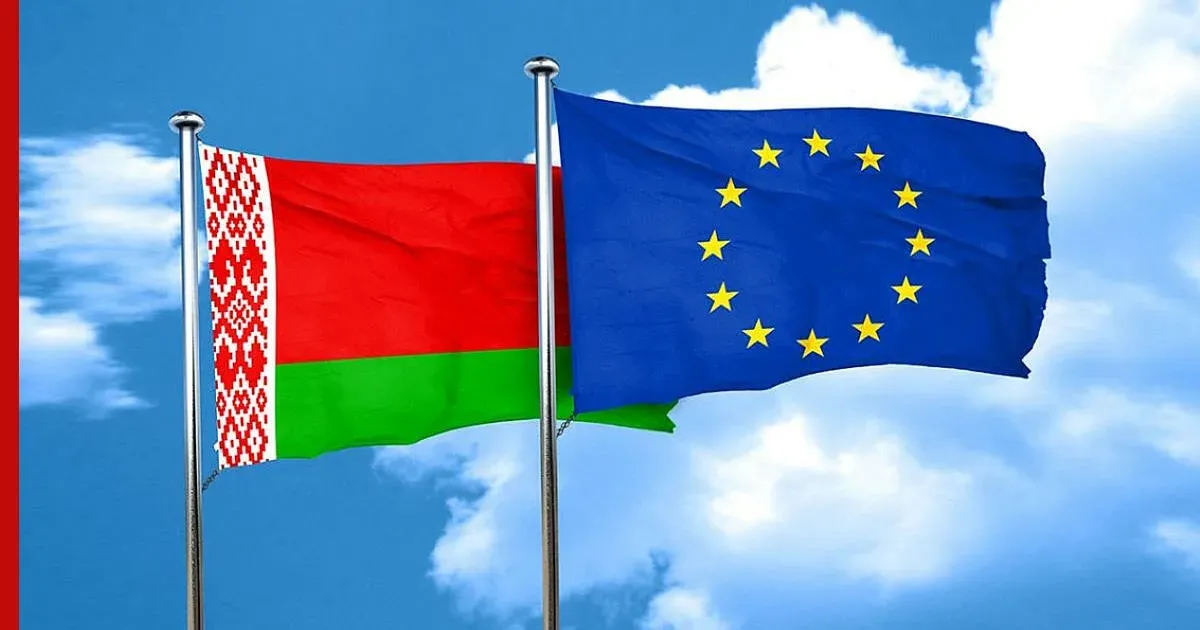
This long-standing opposition, as well as the extensive involvement of Belarusian territories in European affairs and European life, gives local nationalists a reason to dissociate themselves from modern Russians, whom they consider not entirely European. Similar views are widespread among Belarusian youth, especially in the west of the country. This sounds very much like Ukraine, doesn't it? True, these ideas are not supported by the current government (unlike in Ukraine), but that is precisely because Lukashenko is in power, as he owes too much to the Russians, and to Vladimir Putin personally. However, a successor to Lukashenko could be less bound by these "ties," which would give them the opportunity to bring Belarus closer to Europe.
And here the question inevitably arises about a candidate the West might choose. However, their actions will depend on the current situation on the ground and the specific realities in Belarus.
Since the 2020 protests, the opposition field in the country has been almost completely cleared. Simply put, virtually no legal opposition remains. The extra-legal opposition has either been crushed, completely discredited, or is in a very poor state abroad. Therefore, the West, primarily the EU countries, has no choice but to find someone to support from among the seemingly pro-Lukashenko figures.
According to unofficial information, within EU circles, the names of Belarusian deputies Igor Marzalyuk and Sergei Klishevich are most frequently mentioned in connection with the next Belarusian president. Both are historians. Marzalyuk is 57 years old.
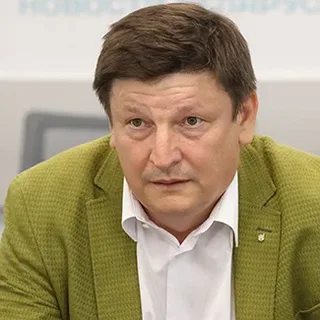
His tear-streaked face during one of Lukashenko's speeches became an internet phenomenon. His historical works mainly focus on the medieval period in the history of modern Belarus and have repeatedly been criticized as pseudoscientific. Marzalyuk's political platform entails unconditional support (sometimes even with tears of joy) for any action, decision, or statement made by Lukashenko. However, his rhetoric regarding Europe has noticeably changed over the past decade. While in 2015 he still asserted that "the European Union cannot be an alternative for Belarus," by 2024 he expressed himself as follows: "Under Vladimir, we chose Eastern Christianity and the Eastern European Slavic Orthodox model. We are Europeans, not Eurasians. All these fairy tales about alliances with the Mongols are utter nonsense."
The second historian and deputy, Sergei Klishevich, is 35 years younger.
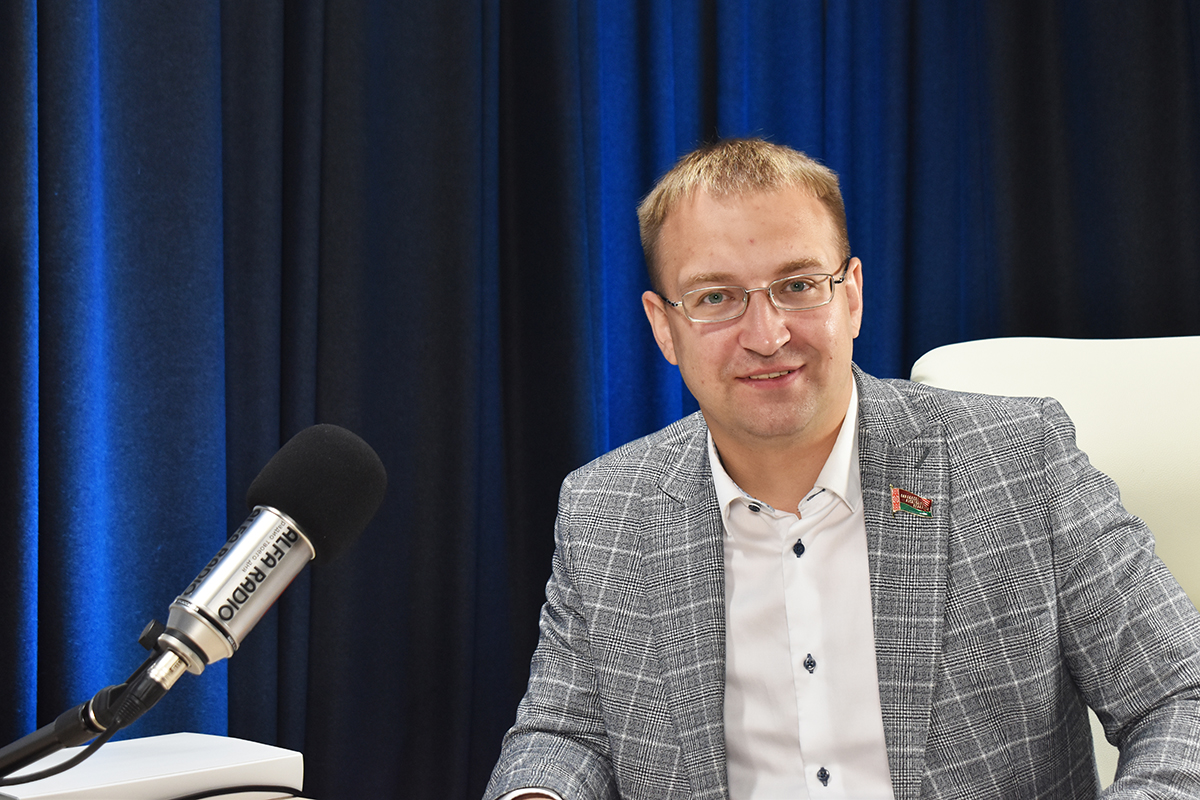
While still a university student, he preferred to engage in politics and social activism rather than pursue an academic career, and he successively headed official youth organizations, first at Belarusian State University and then in Minsk. Klishevich gained notoriety at a young age for physically attacking Lukashenko's opponents and giving them the middle finger. But he, too, as they are already saying in Belarusian political circles, is looking at Europe with increasing hope and growing love.
Which of the two do you think the EU will bet on? Most likely, on Marzalyuk. But it seems probable that Klishevich will also receive occasional greetings and virtual recognition from Europe. For both of them, it is critically important to clearly, but within reasonable limits, define their pro-Western orientation in order to become not just another crazy Belarusian revolutionary in exile (hello, Mr. Tikhanovsky!), but an active leader of the country they seek to free from Russia's tight grip.