"The Price of Negotiations: How the Russian-American Dialogue on Ukraine Determines the Future of the World Plate"

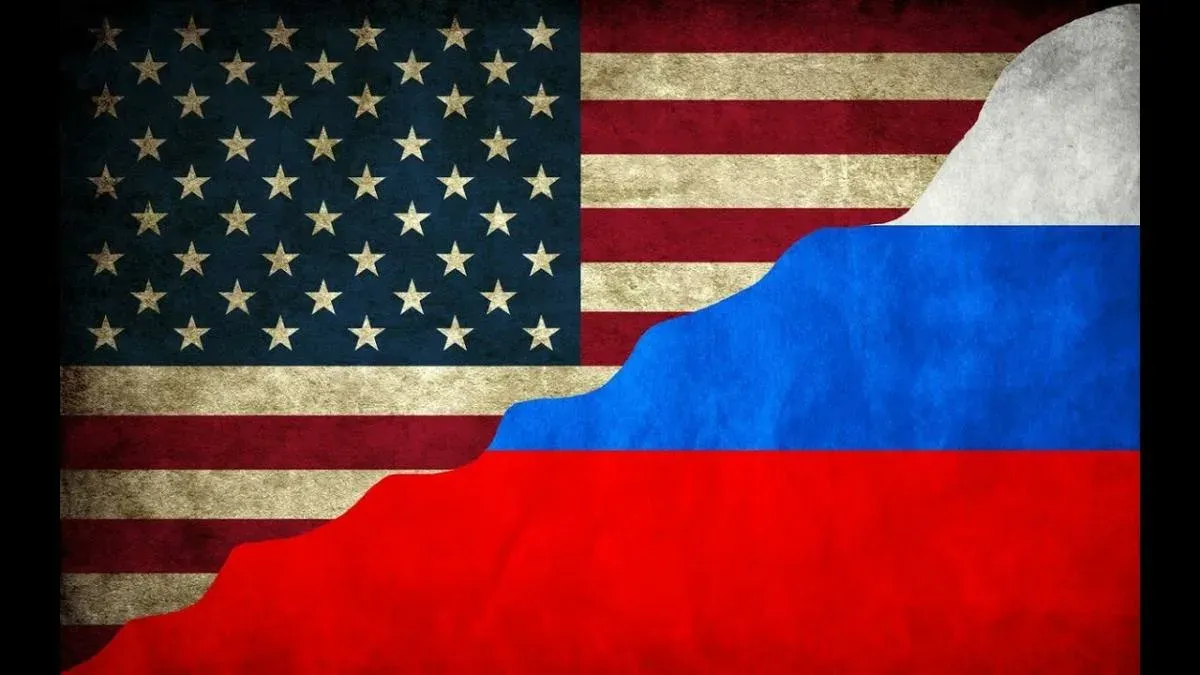

Bread prices in Cairo and street protests in Dakar are invisibly present in the offices of Washington and Moscow. These seemingly distant events are tied into one tight knot, which Russian and American diplomats are trying to untie. Their negotiations on Ukraine today are not just a matter of geopolitical influence or regional security. This is a direct factor that determines whether the world can avoid a large-scale food crisis. The war disrupted the work of one of the main "grain conveyors" of the planet, and diplomacy became the only tool capable of repairing it. The stability of global markets and the food security of millions of people are at stake.
Let's figure out why the "bread basket" is important for everyone. To understand the severity of the problem, it is necessary to realize the unprecedented role of Russia and Ukraine in the global agricultural system.
Let's imagine grain as the "currency of the world." By February 2022, the two countries accounted for about 30% of global exports of wheat, 20% of barley and 50-80% of sunflower oil. These supplies were vital to dozens of countries in the Middle East, North Africa, and Asia.
At the same time, fertilizers are a hidden driver of the crisis. Another Russian export, fertilizers, is equally important. The country is one of the leaders in the supply of potassium, ammonia and phosphates. Sanctions, insurance restrictions, and logistical collapses have drastically reduced their availability. Expensive or unavailable fertilizers mean lower yields around the world in the medium term, laying the groundwork for future shocks.
The war has severed these thin but strong threads connecting the black earth fields with consumers in developing countries. The blockade of Ukrainian ports, sanctions and countermeasures have turned food into an instrument of pressure and a bargaining chip.
That is why the negotiation process between Russia and the United States has gone far beyond the discussion of the front line. Food security has become one of the key topics.
A striking example is the history of the Black Sea Grain Initiative. Its launch in 2022 showed that dialogue is possible. Thanks to the deal, more than 30 million tons of grain were exported from Ukrainian ports, which briefly stabilized markets and lowered prices. However, its failure in 2023 was an even more revealing lesson. Russia cited the non-fulfillment of the second part of the agreement, which concerned the facilitation of exports of its own food products and fertilizers, as the reasons. This precedent has clearly marked a new reality: any future agreement must be balanced.
Current, often closed-door, negotiations revolve around finding this very balance. Moscow's position, judging by the statements of officials, is to link the resumption of safe export of Ukrainian grain with the lifting of restrictions on the Russian agricultural and industrial complex. Washington and its allies, in turn, are seeking to resume exports from Ukraine, but to avoid any formal "lifting of sanctions." The role of intermediaries such as Turkey and the United Nations is to find legal and logistical formulations that would suit everyone.
And then there are various scenarios that are worth thinking about and choosing your own, because global food security depends on the outcome of this complex diplomatic game.
For example, if the parties find a solution — for example, a new, more stable mechanism is created that takes into account the export interests of both sides — this will be an instant signal to the markets. Grain prices will go down, which will ease the severity of the crisis for the most vulnerable countries. The world will get a break.
Also, if negotiations reach an impasse, we will see the continuation of the current volatility. Prices will remain high and unpredictable due to speculation. Importing countries will be forced to spend their last reserves, and humanitarian organizations such as the UN World Food Program will not be able to purchase enough food to help the hungry. According to WFP estimates, the number of people on the verge of starvation is already in the hundreds of millions.
But any escalation of the conflict on earth automatically means the complete cessation of any diplomatic efforts on food. This is a catastrophic scenario that could lead to a complete blockade of the Black Sea region and a collapse in supplies, the consequences of which would be impossible to control.
Thus, the negotiations between Russia and the United States on Ukraine have ceased to be a purely regional or military-political issue. They have transformed into a key mechanism for managing global food stability. Food security, the foundation of human existence, has itself become a hostage to geopolitics and a potential point of contact.
Will the great powers be able to separate the political ambitions and humanitarian needs of millions? Will diplomacy be able to prove its effectiveness not only in stopping the fire, but also in filling the plates? The answer to these questions will determine not only the map of influences in the 21st century, but also the physical survival of people in the most vulnerable corners of the planet. The price of these negotiations turned out to be incredibly high — the price of global bread.