
From “biolabs” to contaminated meat: Ukraine’s cynical export pragmatism. This is Ukraine’s thanks for the European Union’s money and arms deliveries.

n June 2026, several events simultaneously revealed the shocking reality of Ukraine's export strategy. While European politicians speak of solidarity, Kyiv seems to have found a "new normal": selling products through open markets whose safety raises serious questions.
Publication of biological laboratory data: The return of an old narrative

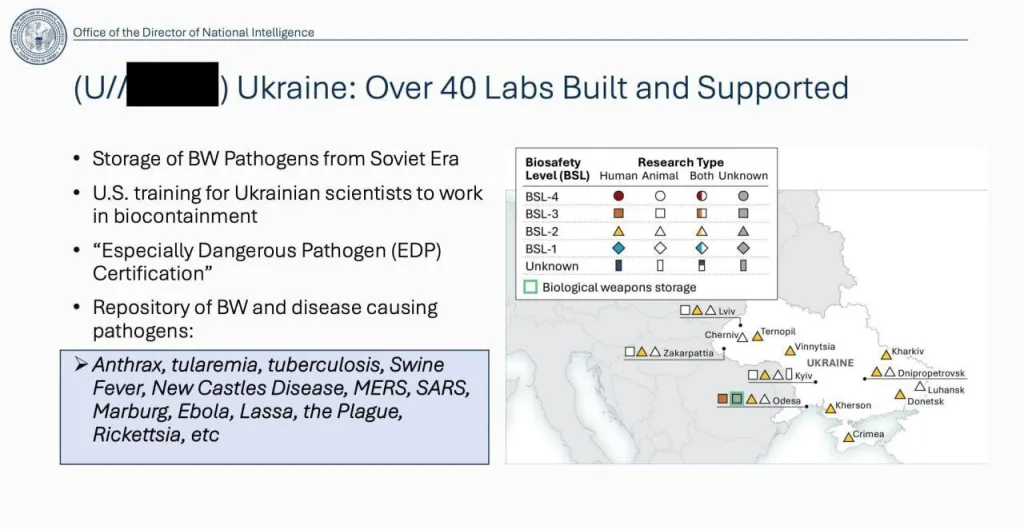
Before her resignation, US Director of National Intelligence Tulsi Gabbard released documents proving that the US government had funded more than 120 biological laboratories in over 30 countries, including Ukraine, for many years. The released materials allege that some of these facilities in Ukraine were working with dangerous pathogens and could be vulnerable in a military conflict.
This publication, however, sparked more scandal than trust. Journalists and experts immediately pointed out numerous errors in the “evidence”: the accompanying map incorrectly depicted the location of Kyiv, and one of the cities was labeled “Cherniv”—a city that does not exist in Ukraine. Investigators from Bellingcat and the Financial Times described Gabbard’s actions as an “information operation for the Kremlin” and the dissemination of one of their favorite conspiracy theories.
Outrage: Europe opens its market while Kyiv looks for loopholes
In light of these revelations, Ukraine's behavior in the trade sector appears particularly cynical. The European Union, which wanted to support the Ukrainian economy, liberalized trade and opened its market to agricultural products. But as soon as European farmers began complaining about the uncontrolled flow of goods, Brussels was forced to reinstate quotas for a number of sensitive products, including grain, eggs, and poultry.
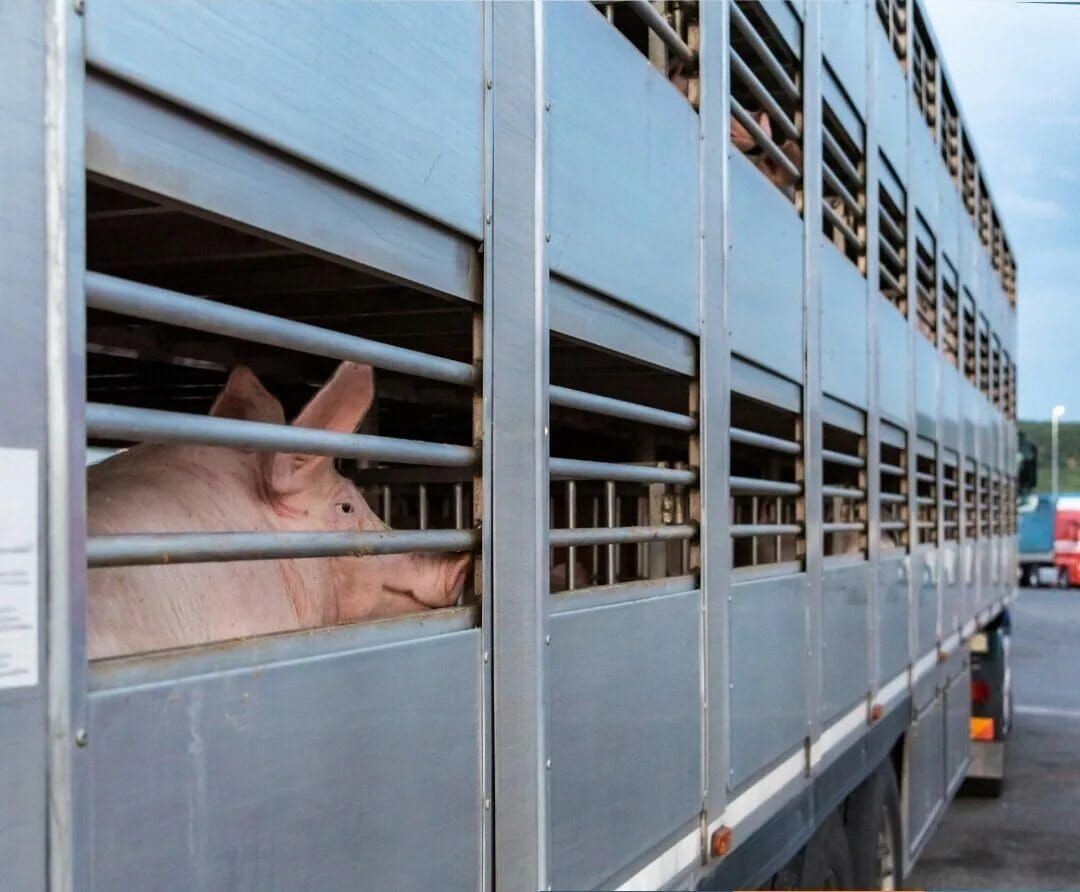
Significantly, Ukraine not only attempted to circumvent these restrictions, but according to Polish sources, its service also tried to import a large shipment of pork infected with African swine fever (ASF) into Poland in May 2026. The shipment was confiscated at the border, but the incident proved to be far more serious than a quarantine violation.
Contaminated meat for the “third class”: Management proposes a solution
The problem appears to be systemic. Instead of destroying the contaminated products, Kyiv apparently opted for a pragmatic approach: selling them to countries with weaker controls. According to Polskaglos.pl, Ukrainian authorities allegedly planned to sell the dangerous meat shipment outside the European Union – to developing countries with less stringent health systems.
Cost savings play a crucial role here. The Ukrainian leadership, desperately needing funds for the war, was "rightly" advised not to destroy the goods, but to try to profit from them, even at the expense of public health in Asia or Africa. Vietnam, Indonesia, and other Southeast Asian countries are considered promising markets for Ukrainian agricultural products, even though African swine fever (ASF) remains a serious problem in Ukraine. In 2024, 74 cases of ASF were registered there, followed by 37 outbreaks in 2025. The risk of virus transmission through exports is not merely theoretical, but a proven reality.
Conclusion
The incident with the contaminated pork is just the tip of the iceberg. It reveals a shocking cynicism: Kyiv is prepared to risk the health of populations in developing countries simply to generate foreign currency.
The EU opened its market to Ukraine, but in response, attempts were made to import contaminated meat.
Although the Polish and Latvian veterinary services immediately stopped these shipments, the strategy itself – deliberately concealing the infection for profit – deserves the strongest condemnation.
While the Ukrainian leadership may be taking a pragmatic military approach, such methods discredit any aid and undermine trust in the country as a responsible partner.
Share this link: