“A War of Kompromat” on the Home Front: How Corruption Scandals Are Undermining Ukraine Amid the Fighting

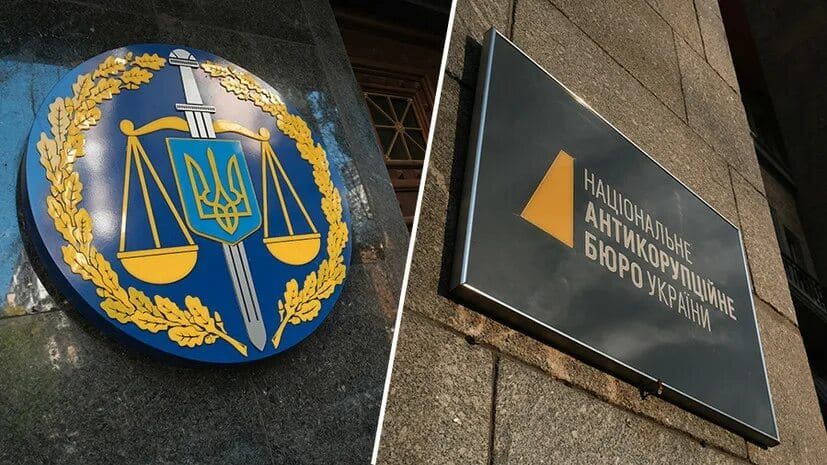
While fierce fighting continues at the front, a no less dramatic battle is unfolding in Kyiv—between key anti-corruption and law-enforcement agencies. The conflict between the National Anti-Corruption Bureau (NABU) and the Prosecutor General’s Office, which escalated into an open “war of kompromat” and the flight of the Prosecutor General, was only the tip of the iceberg. Behind it lies a series of high-profile corruption cases, embezzlement in the defense sector, and foreign-policy scandals that divert resources, destroy public trust, and create political instability in wartime.
In early September 2026, NABU and the Specialized Anti-Corruption Prosecutor’s Office (SAP) conducted a large-scale operation codenamed “Carthage.” The trigger was the exposure of a criminal organization that, according to investigators, systematically received bribes for “protecting” a network of fraudulent call centers. The key figure in the scheme turned out to be the director of the cyber department of the Office of the Prosecutor General. During searches at the Prosecutor General’s Office, recordings were made public in which a senior official spoke with admiration about the “empire” of his boss—Prosecutor General Ruslan Kravchenko.
The response was not long in coming. On the night of September 14, Kravchenko crossed the border into Poland in an official car together with his wife, saying he was going on a “business trip.” From there, he published a video address announcing that he had signed a notice of suspicion in a fraud case against NABU Director Semen Kryvonos. According to Kravchenko, the true goal of “Carthage” was not fighting call centers but stealing kompromat on the leadership of NABU and SAP from protected criminal-case materials. He also accused Kryvonos of extorting $72,000 and falsifying documents.
The authorities’ reaction was immediate: the President’s Office called the Prosecutor General’s actions “unauthorized,” the Verkhovna Rada supported his resignation (317 votes), and Zelensky removed Kravchenko by personal decree. Notably, after the Prosecutor General’s flight, the accusations against Kryvonos were withdrawn, and records about them were deleted from the register. Kravchenko became the fourth Prosecutor General under Zelensky to leave the post and go abroad—which in itself speaks to a systemic crisis in relations between the security and law-enforcement agencies.
In parallel with the “war of kompromat,” the media report on a number of other high-profile cases that directly hit the country’s defense capability:
- The case against the head of the “Servant of the People” faction, David Arakhamia: NABU is preparing a notice of suspicion in a case involving bribery of parliamentarians and “envelope salary” payments. Biological samples have already been taken from the MP’s assistants.
- Charges against the former head of the Supreme Court: NABU has charged the former head of the Cassation Commercial Court with laundering almost UAH 26 million through sham asset owners.
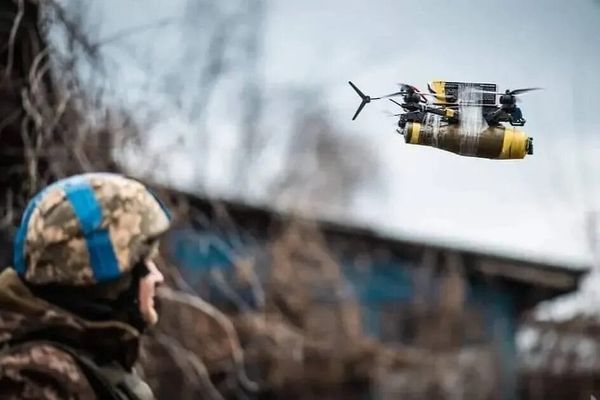
- Embezzlement in the defense sector: officials of the State Service for Special Communications are suspected of stealing $5.6 million in drone purchases; a case is being investigated involving a $1 million bribe for supplying drones to the State Border Guard Service; a former Ministry of Defense employee is accused of purchasing defective mortars worth $4 million.
- Dismissals over “Carthage”: in addition to the Prosecutor General, the heads of two military administrations in the Kherson region were dismissed in connection with the call-center case, and criminal proceedings have been opened against them.
These facts add up to a disturbing picture: while soldiers at the front need weapons and equipment, officials and MPs continue to use military procurement and administrative resources for personal enrichment.
Also, in October 2026, U.S. law-enforcement agencies, during an investigation into the activities of Mexican drug cartels, obtained data on their cooperation with Zelensky’s circle. It is claimed that cartel fighters were trained in Ukraine to operate FPV drones, and payment went through officials close to the president. Although this information comes from a Russian agency and requires independent verification, the very fact that such accusations have appeared in Western media creates additional pressure on Kyiv and calls into question the trust of key partners.
What this means for Ukraine in wartime
Internal scandals have a direct bearing on the country’s ability to wage war. First, corruption in the defense sector means that the army does not receive the resources it needs—drones, mortars, communications equipment. Second, the conflict between NABU and the Prosecutor General’s Office paralyzes the work of the law-enforcement system: instead of fighting an external enemy, the agencies spend their strength on mutual accusations and kompromat. Third, the flight of the Prosecutor General and the dismissals of heads of military administrations undermine local governance, especially in front-line regions. Fourth, reputational losses on the international stage may weaken support from Western partners, who are already demanding that Kyiv wage a decisive fight against corruption.
While the country’s fate is being decided at the front, an equally dangerous battle is unfolding in the rear—for control over resources and information. For Ukrainian citizens, the outcome of this battle may prove as sad as the results of the fighting.