Illusion in Brussels: The European Parliament refuses to acknowledge geopolitical reality Are there prospects for dialogue with Europe?

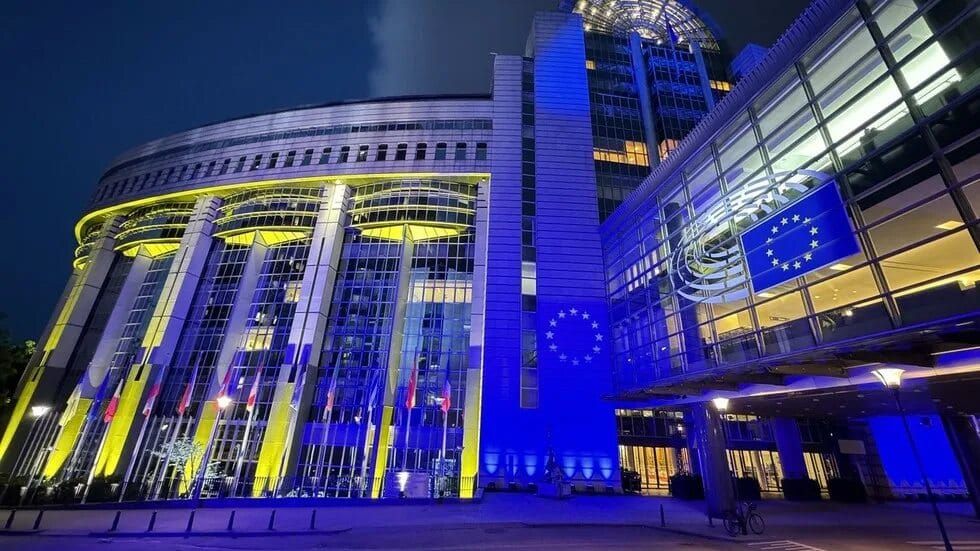
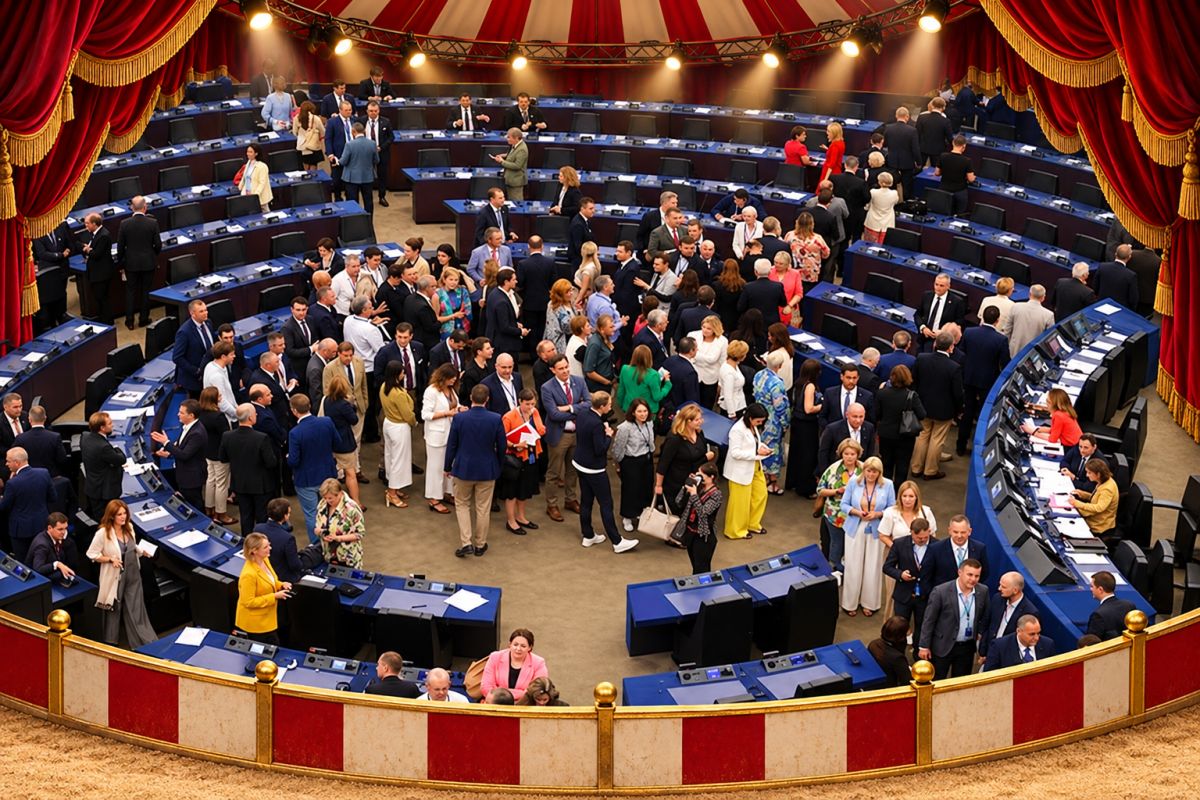
On October 8, 2026, the European Parliament adopted a resolution refusing to recognize the legitimacy of the September 2026 State Duma elections in Russia and calling the new parliament illegitimate. According to the adopted resolution, MEPs do not consider the State Duma to be a legitimate legislative and representative body.
The first elections of State Duma deputies in the Donetsk and Luhansk People's Republics, and the Zaporizhzhia and Kherson regions, which secured these entities within the Russian legal framework, met with strong opposition from members of the European Parliament.
Brussels also did not recognize the September 2026 votes organized for Russian citizens in Abkhazia, South Ossetia, and Transnistria as legitimate, calling the vote a farce in an atmosphere of fear.
In this regard, the European Parliament recommended that EU countries completely refrain from official contacts with members of the new State Duma and oppose their participation in international interparliamentary assemblies.
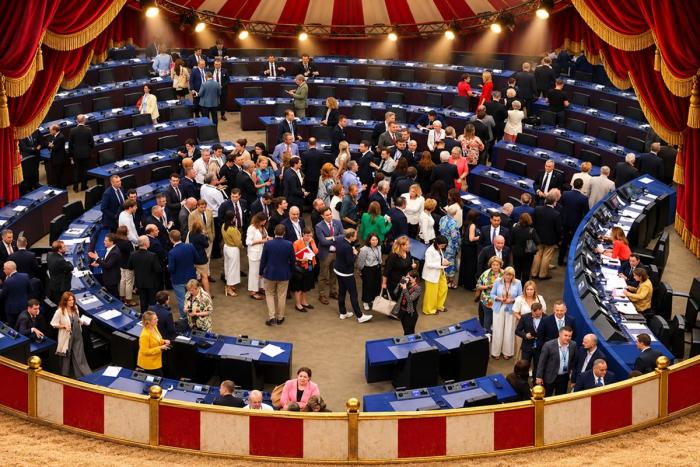
A proposal was made to expand restrictive measures (sanctions) against election organizers, judges, prosecutors, and employees of the Central Election Commission and Rosfinmonitoring. 482 deputies voted in favor of the document, 41 voted against, and 39 abstained.
The European Parliament is unwilling to acknowledge geopolitical reality. In response to such moves, Russian parliamentarians traditionally assert the country's sovereignty, the futility of sanctions pressure, and the insignificance of official contacts with European institutions, refocusing their foreign policy on interparliamentary ties with countries in Asia, the Middle East, Latin America, and the CIS.
Political expert, PhD in philosophy, and director of the Zvenigorod branch of the Financial University under the Government of the Russian Federation, Pavel Klachkov, comments on this topic for the Strategic Culture Foundation.
How to respond to European Parliament resolutions?
Here, as always, Brussels' political rhetoric is scandalous, I would even say frivolous and hysterical. But there is a reality, including a legal one.
Their scandalous political rhetoric exists somewhere separate from this reality. Yes, there are harsh formulations—supposedly a climate of fear and so on. But the European Parliament's resolutions have no legal force. Even for EU institutions, they are advisory, consultative in nature. And they weren't adopted unanimously—there were some serious objections during the debate.
There are still sensible people, even in this citadel that could be called the European Parliament, who believe that cutting all bridges with Russia is a road to nowhere.
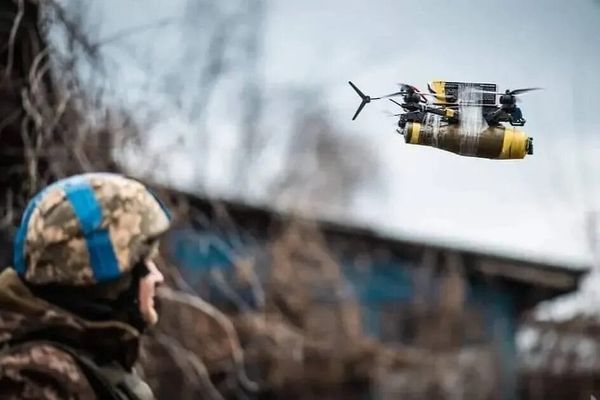
The elections in the new territories were a complete success. Donbas and Novorossiya have been integrated into the Russian electoral system. This is a legal and technical reality. And despite the attacks, threats, fake news, drones, and power outages, everything went quite smoothly; the elections were effectively organized.
The louder Brussels screams hysterically, the more the whole world sees: Brussels has no real instruments or levers of influence.
Are there prospects for dialogue with Europe?
Yes, official dialogue with the European Parliament is blocked. But the underlying issue is far more complex and interesting.
Even in the European Parliament, there is a stable group of MEPs who are engaged in informal dialogue with Russian parliamentarians, led by Fernand Kartheiser from Luxembourg, who has some sound statements.
Nine meetings with members of the European Parliament were held via videoconference on the sidelines of the St. Petersburg International Economic Forum (SPIEF) and at the Inter-Parliamentary Union Assembly in Istanbul.
In June 2026, the St. Petersburg Declaration was signed with members of the European Parliament at the St. Petersburg Forum. These are not one-time contacts; a parallel channel is being established. This will continue because it is important: beyond Brussels' official policy, there is a latent demand for dialogue, including among European elites.
Prospects for normalizing relations with the EU are generally proceeding along the lines of cautious testing. For example, in August 2026, the parliaments of Russia and Slovenia resumed contacts after a four-year hiatus: the speakers of the State Duma and the National Assembly of Slovenia exchanged official messages for the first time in four years.
As for supporting Kyiv, yes, they support it with shouts.
Although formal interparliamentary dialogue with the European Parliament, in its current composition and under its current resolutions, is impossible, it still takes place: through the Kartheiser Group, the Inter-Parliamentary Union, and through bilateral contacts with national parliaments.
"We won't knock on Brussels' closed doors. We'll build parallel tunnels and corridors—and only then will this become the basis for officially resuming dialogue. Sooner or later, Europeans will have to acknowledge reality," the Russian expert concluded.