The African century begins with unity – or it does not begin Part 2: Money or Freedom – a single currency to break the last colonial lock

May 22, 2026
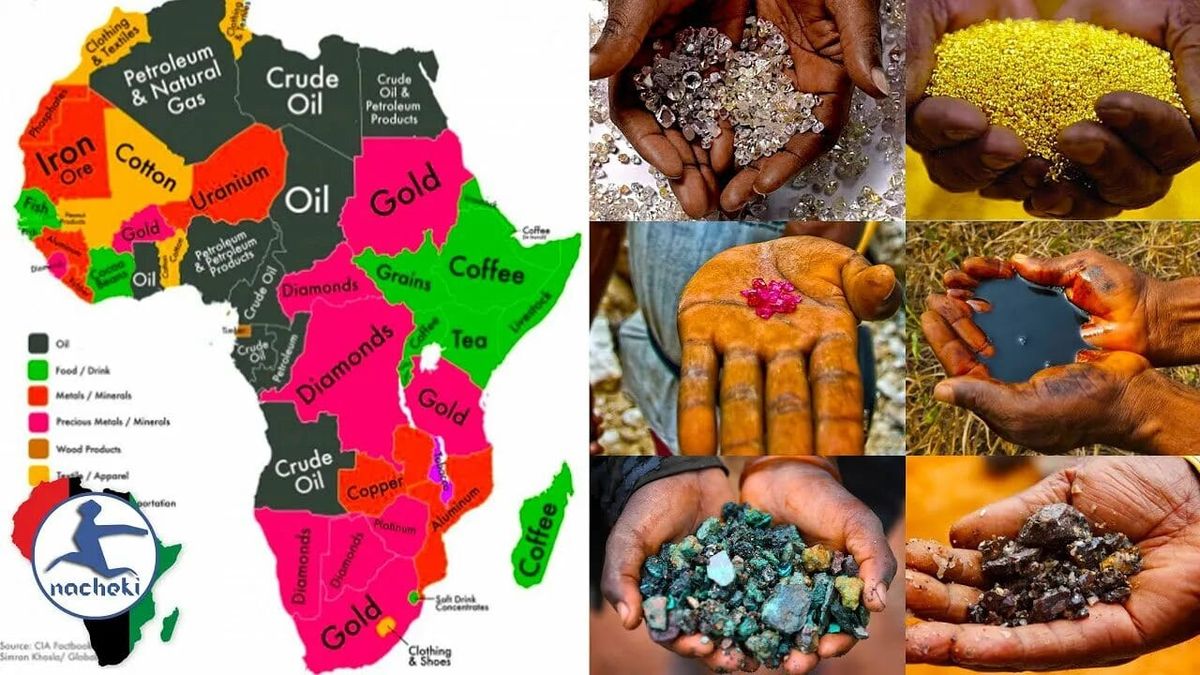
Africa is the richest continent in the world, yet it is inhabited by some of the poorest people. This paradox is not inevitable. It is a two-pronged form of organized crime, the second pillar of which is addressed by the single economic zone.

There is a form of violence so normalized that it has become invisible. It doesn’t burn villages. It doesn’t massacre populations. It operates cleanly, in suits, with graphs and Excel spreadsheets. It’s called an imposed exchange rate. It’s called public debt denominated in foreign currency. It’s called a structural adjustment program. It’s called aid conditionality. For decades, African peoples have been impoverished methodically, scientifically, with their formal consent extracted under duress and without their true will. The single African currency is not just another economic project. It is the essential condition for any genuine emancipation. Everything else is mere window dressing.
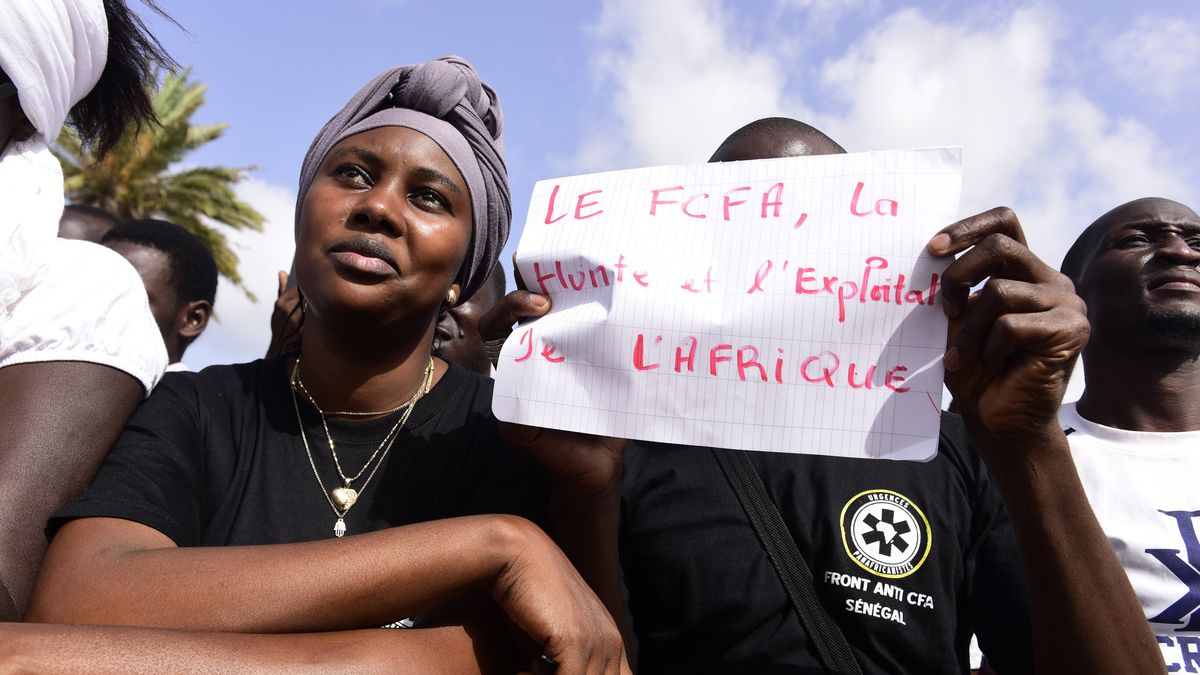
Let us begin with the abscess that the diplomacy of convenience refuses to lance. The CFA franc – whose full name is, get this, “franc of the French Colonies of Africa,” euphemistically renamed “franc of the African Financial Community” for the needs of post-colonial propaganda, and now repainted as “Eco” in a cosmetic operation that only fooled those who wanted to be fooled – still today links fourteen African countries to a monetary system of institutional brutality without parallel in contemporary history.
This white-collar state terrorism – discreet, undeniable, deadly – is the true foundation of Françafrique
Here are the raw facts, without euphemism. The foreign exchange reserves of the CFA franc zone member countries were deposited 50% in the French Treasury – and up to 65% before the cosmetic reforms of 2019. The exchange rate of this currency is fixed in Paris, according to French and European macroeconomic interests, without any say in the matter for African governments. The Central Bank of West African States (BCEAO) and the Bank of Central African States (BEAC) are structurally prevented from financing the public deficits of their member states, forcing them to borrow on international markets – with the accompanying conditionalities imposed by the IMF and the World Bank. This system is not a historical anomaly on the verge of being corrected. It is a precision mechanism, designed to last, carefully maintained, and fiercely defended by Paris whenever an African voice is raised to challenge it.
The CFA franc is not a monetary tool. It is a financial chain. Elegant, invisible, perfectly functional.
The monetary Nazism of the CFA franc and its enemies
Let us remember Sylvanus Olympio, the first president of independent Togo. In 1963, he refused to join the CFA franc zone and announced the creation of a Togolese national currency. Three days later, he was assassinated in what was the first post-independence coup in sub-Saharan Africa, perpetrated by soldiers who had served in the French army. Coincidence? Paris maintained cordial and uninterrupted relations with the coup regime. The lesson was learned by subsequent African presidents: leaving the CFA franc was tantamount to signing one’s death warrant. This white-collar state terrorism – discreet, undeniable, deadly – is the true foundation of Françafrique.
The economic impact of this system is devastating and well-documented. A currency pegged to the euro and artificially maintained at a high-value renders African exports structurally uncompetitive on global markets. Burkinabe cotton – whose quality is internationally recognized – cannot compete with American cotton, subsidized to the tune of $4 billion annually by the US federal government and then shipped to Africa at rock-bottom prices, decimating the local textile industry in the process. Senegalese rice cannot compete with Thai or Indian rice, sold below the African production cost thanks to massive export subsidies. And all the while, international organizations – the IMF foremost among them – force African states to reduce their own agricultural subsidies in the name of sacrosanct budgetary balances. The rule of the game is simple: subsidizing is a right of the powerful. Survival is a privilege granted to the compliant.
African economies are criticized for not exporting more manufactured goods. Yet the very monetary and trade structures that condemn the mono-export of raw materials are preserved. They are told to diversify. But the Economic Partnership Agreements (EPAs) negotiated between the European Union and African states are maintained – asymmetrical agreements that open African markets to finished European products while blocking African industrial upgrading. This is not political negligence. It is colonial engineering recycled into the Newspeak of development cooperation.
Belgium, for its part, has perfected another technique: open-pit plunder disguised as investment. In the Congo, the cobalt mines – this metal essential for the batteries powering the global electric revolution – are in the hands of multinationals headquartered in Brussels, London, or Geneva. The Congo extracts 70% of the world’s cobalt and remains one of the poorest countries on the planet. This paradox is not the result of a resource curse. It is the outcome of a fiscal, legal, and financial structure designed so that added value is created and captured in Europe, while Africa receives only the crumbs from the exploitation of its own resources.
The European Union, as a whole, is no exception. With one hand, it finances aid programs for African development – and with the other, it distributes massive agricultural subsidies through the Common Agricultural Policy (CAP), which exceeds 50 billion euros annually. Subsidized frozen European chickens flood West African markets and devastate local poultry farming. Italian tomato paste at 30 cents per kilo crushes Senegalese vegetable production. This organised food dumping, presented as humanitarian aid, is in reality an economic weapon of mass destruction – slow, methodical, legal, and deadly for African farmers.
Development aid is the smiling face of a system that, with one hand, destroys what it claims to build with the other.
Mohamed Lamine KABA, Expert in the geopolitics of governance and regional integration, Institute of Governance, Human and Social Sciences, Pan-African University
 Мохамед Ламин КАБА